College and university life can be exciting, rewarding, and full of opportunity. At the same time, students often face overwhelming academic pressure, social stress, anxiety, depression, burnout, homesickness, identity challenges, and uncertainty about the future.
In a fast-paced city like New York, balancing coursework, internships, finances, and personal responsibilities can feel isolating. Group therapy offers students a supportive environment where they can connect with others facing similar experiences while developing healthy coping skills and emotional resilience.
At Campus Care Collective, students can find compassionate, professional support tailored to the unique mental health needs of young adults navigating academic life in New York.
What Is Group Therapy?
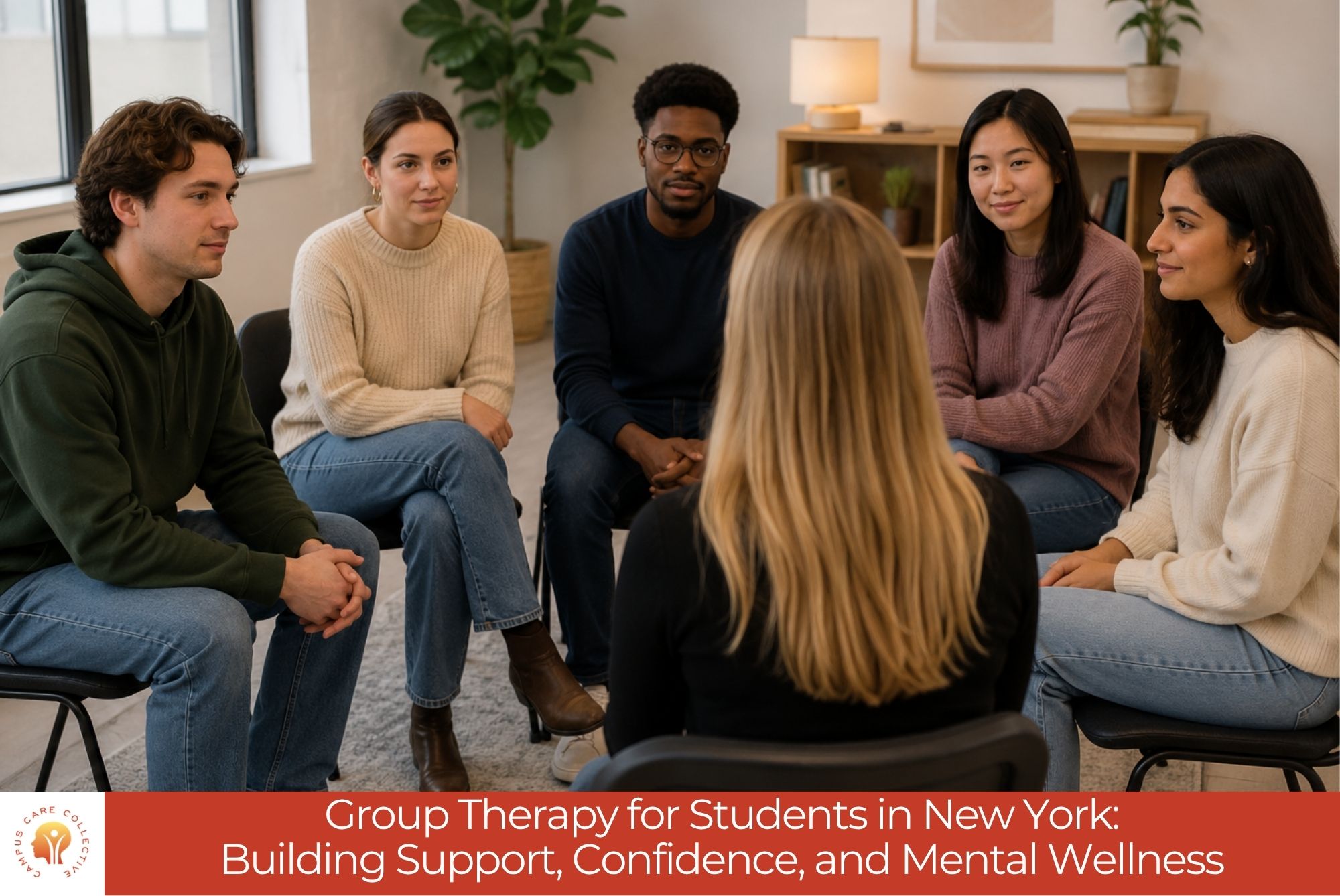
Group therapy is a form of psychotherapy where multiple participants meet regularly with a licensed mental health professional to discuss challenges, emotions, behaviors, and personal growth. Sessions are structured to create a safe, confidential environment where students can share experiences, learn from others, and gain emotional support.
Unlike individual therapy, group therapy allows participants to realize they are not alone in their struggles. Hearing others discuss similar experiences can reduce feelings of isolation and create a strong sense of community.
Why Group Therapy Is Beneficial for Students
Students often experience mental health concerns that can affect academic performance, relationships, sleep, motivation, and overall well-being. Group therapy can help students build emotional tools while connecting with peers who understand what they are going through.
Common Issues Addressed in Student Group Therapy
- Academic stress and burnout
- Anxiety and panic attacks
- Depression and low motivation
- Social anxiety
- Relationship difficulties
- Loneliness and homesickness
- Self-esteem and confidence issues
- Identity exploration
- Trauma recovery
- Time management and overwhelm
- Grief and loss
- Transition challenges for freshmen or graduate students
The Unique Mental Health Challenges Students Face in New York
Living and studying in New York City presents unique pressures. Students may face high living costs, crowded environments, competitive academic settings, demanding internships, and limited downtime. Many students also experience the challenge of balancing independence with personal and academic expectations.
Group therapy helps students create meaningful connections and develop healthier coping mechanisms in a city where loneliness and stress can often go unnoticed.
How Group Therapy Helps Students Thrive
1. Students Learn They Are Not Alone
One of the most powerful aspects of group therapy is realizing that others share similar fears, insecurities, and struggles. This validation can significantly reduce shame and isolation.
2. Improved Communication Skills
Students develop healthier ways to express emotions, establish boundaries, and navigate difficult conversations both academically and socially.
3. Emotional Support from Peers
Peer support creates a sense of belonging and encouragement that can help students feel more grounded and understood.
4. Healthy Coping Strategies
Therapists guide students through evidence-based coping techniques for managing stress, anxiety, emotional regulation, and interpersonal conflict.
5. Increased Self-Awareness
Group discussions often help students identify patterns in thinking and behavior that may contribute to emotional distress.
6. Confidence Building
As students participate and share openly, they often gain confidence in social situations, classroom settings, and personal relationships.
What to Expect During Group Therapy Sessions
Many students feel nervous before their first session, but group therapy is designed to be welcoming and supportive.
Typical sessions may include:
- Guided discussions
- Emotional processing
- Skill-building exercises
- Mindfulness techniques
- Cognitive behavioral strategies
- Peer feedback and encouragement
- Goal setting and reflection
Every group is facilitated by a trained mental health professional who ensures the environment remains respectful, confidential, and productive.
Is Group Therapy Confidential?
Yes. Confidentiality is a foundational part of group therapy. Participants are expected to respect each other’s privacy and maintain discretion about what is shared during sessions.
Therapists also establish clear guidelines to ensure the group remains a safe and supportive environment for everyone involved.
Group Therapy vs. Individual Therapy
Both forms of therapy provide important benefits. Some students participate in group therapy alone, while others combine it with individual counseling.
Benefits of Group Therapy
- Peer connection
- Shared experiences
- Social skill development
- Reduced isolation
- Collaborative support
Benefits of Individual Therapy
- One-on-one attention
- Personalized treatment plans
- Deeper exploration of private concerns
- Flexible pacing
A mental health professional can help determine which approach is best for each student’s needs.
Why Students Choose Campus Care Collective
Campus Care Collective understands the unique emotional and academic pressures students face in New York. Their compassionate mental health professionals provide supportive, student-centered care designed to help young adults navigate life transitions, stress, relationships, and emotional challenges.
By offering professional guidance in a supportive setting, Campus Care Collective helps students strengthen emotional wellness, build confidence, and create healthier habits for long-term success.
Frequently Asked Questions About Group Therapy for Students in New York
What is the purpose of student group therapy?
Student group therapy provides emotional support, coping strategies, and a safe environment where students can discuss shared challenges and improve mental wellness.
Is group therapy effective for anxiety and depression?
Yes. Group therapy is highly effective for many students experiencing anxiety, depression, stress, and social isolation. It provides both professional guidance and peer support.
How many people are typically in a group therapy session?
Group sizes vary, but many sessions include between 5 and 12 participants to encourage meaningful discussion and interaction.
Will I be forced to speak during sessions?
No. Students are encouraged to participate at their own comfort level. Many participants become more comfortable sharing over time.
Is group therapy only for serious mental health conditions?
No. Group therapy can benefit students dealing with everyday stress, academic pressure, relationship concerns, and emotional challenges—not just severe mental health conditions.
Can group therapy help with social anxiety?
Absolutely. Group settings often help students practice communication skills and build confidence in social interactions.
How long does group therapy last?
Session lengths and treatment durations vary depending on the group and individual goals. Many sessions last approximately 60 to 90 minutes.
Can I combine group therapy with individual counseling?
Yes. Many students benefit from participating in both individual therapy and group therapy simultaneously.
Is online group therapy available?
Many providers offer virtual therapy options for students who prefer remote sessions or have scheduling limitations.
How do I know if group therapy is right for me?
If you are feeling isolated, overwhelmed, anxious, stressed, or emotionally stuck, group therapy may provide valuable support and connection. Speaking with a mental health professional can help determine the best approach.
Take the First Step Toward Better Mental Health
You do not have to navigate the challenges of college life alone. Group therapy can provide meaningful support, practical coping skills, and valuable connections with peers who understand what you are experiencing.
Whether you are struggling with stress, anxiety, loneliness, or life transitions, Campus Care Collective offers a welcoming environment where students can grow, heal, and thrive.
Contact Campus Care Collective
Campus Care Collective
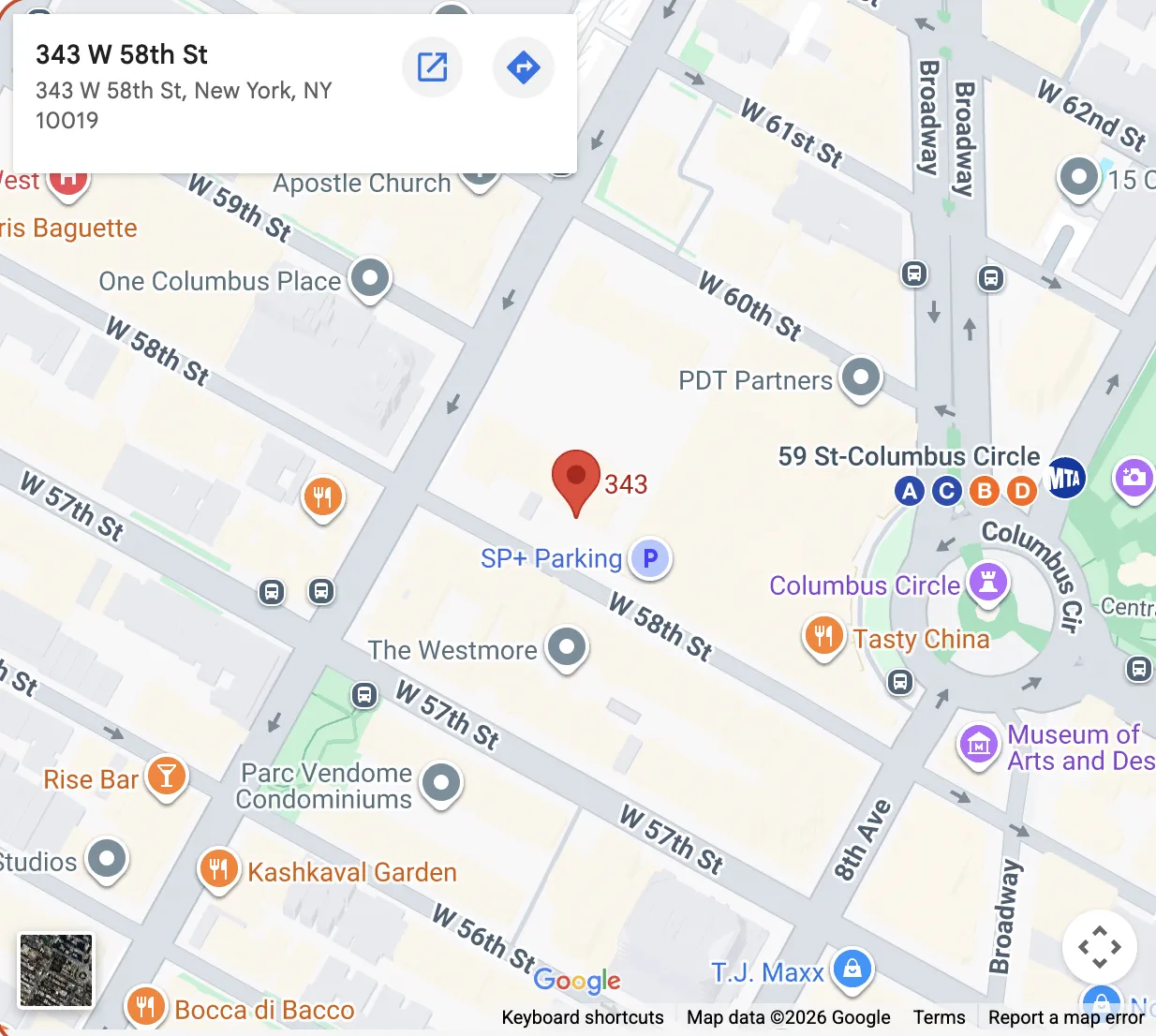
343 W 58th St #11B
New York, NY 10019
Phone: (212) 477-5342
Email: info@campuscarecollective.com
Website: campuscarecollective.com