 College and university life can be exciting, rewarding, and transformative—but it can also be overwhelming. Between academic pressure, social expectations, financial stress, and adjusting to independent living, many students experience mental health challenges that impact their well-being and academic success. Anxiety, depression, burnout, and difficulty concentrating are increasingly common among students in New York and across the country.
For students who have struggled to find relief through traditional treatments, Transcranial Magnetic Stimulation (TMS) therapy offers a promising, non-invasive option. At Campus Care Collective, students can access compassionate, personalized mental health care designed to support academic performance, emotional wellness, and long-term success.
What Is TMS Therapy?
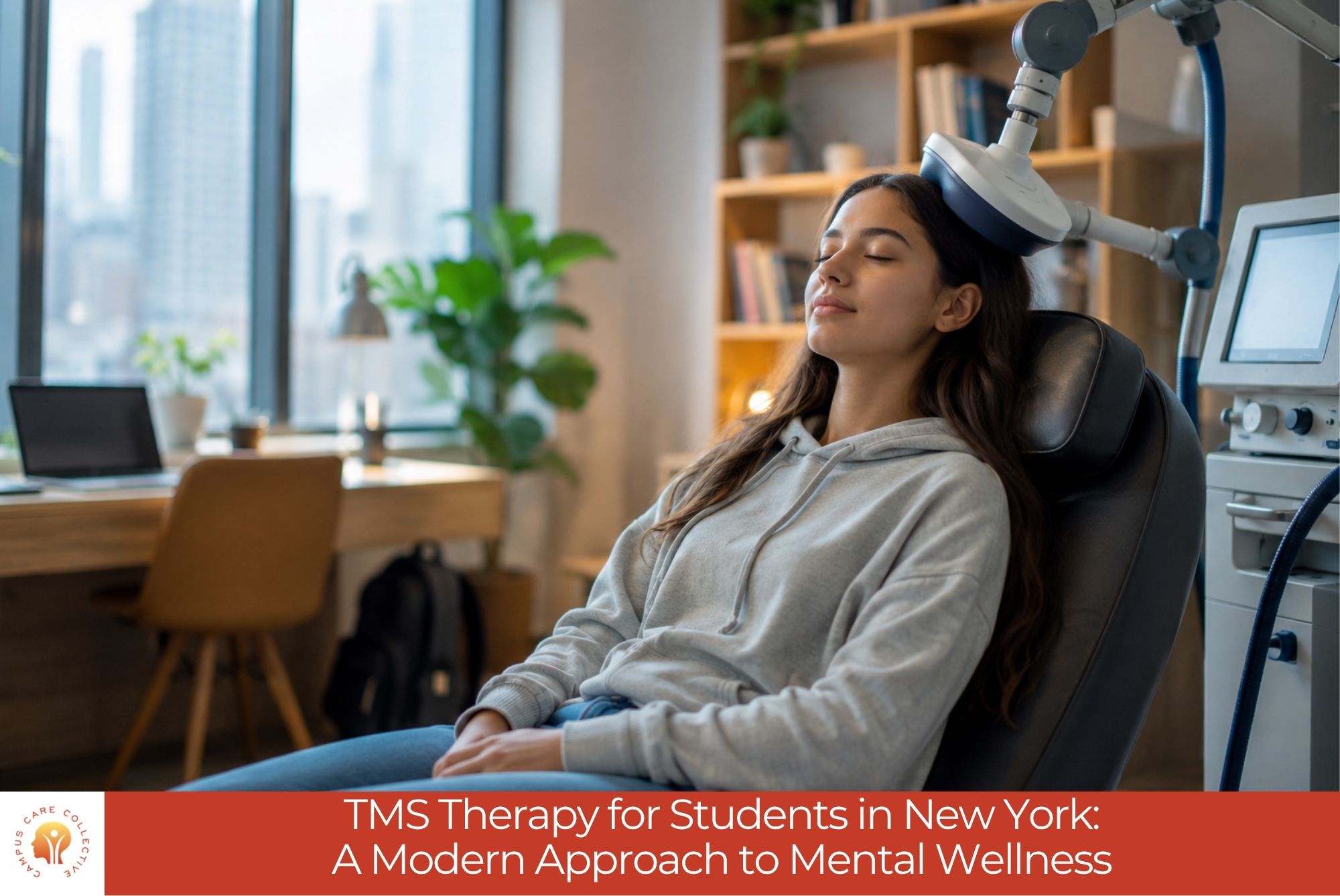
Transcranial Magnetic Stimulation (TMS) therapy is an FDA-approved, non-invasive treatment that uses magnetic pulses to stimulate areas of the brain associated with mood regulation. TMS is most commonly used to treat depression, especially in individuals who have not experienced significant improvement with medication or talk therapy alone.
Unlike medications, TMS therapy does not involve systemic side effects because it directly targets specific areas of the brain. Sessions are performed in a comfortable outpatient setting, and patients are awake and alert throughout the procedure.
Why Students in New York Are Turning to TMS Therapy
New York students often face unique challenges due to the fast-paced environment, academic competitiveness, and urban stressors associated with college life in the city. Many students experience:
- Chronic stress and anxiety
- Major depressive disorder
- Academic burnout
- Difficulty focusing or maintaining motivation
- Sleep disturbances
- Social isolation
- Emotional exhaustion
TMS therapy provides an alternative solution for students seeking effective mental health treatment without the side effects that can sometimes accompany antidepressant medications.
How TMS Therapy Works
TMS therapy works by delivering targeted magnetic pulses to the prefrontal cortex—the part of the brain involved in mood control and emotional regulation. In patients with depression, activity in this region may be reduced. TMS helps reactivate these neural pathways and improve communication between brain cells.
A typical TMS session:
- Takes approximately 20–40 minutes
- Requires no anesthesia or sedation
- Allows patients to resume daily activities immediately afterward
- Is usually completed over several weeks
Many students appreciate that TMS therapy fits into busy academic schedules with minimal disruption.
Benefits of TMS Therapy for College Students
Non-Invasive Treatment
TMS therapy does not involve surgery or medication, making it appealing for students who prefer a drug-free treatment option.
Minimal Side Effects
Most patients experience few side effects, with mild scalp discomfort or headache being the most common temporary symptoms.
Improved Focus and Motivation
By helping reduce symptoms of depression and anxiety, TMS therapy may support better concentration, academic performance, and social engagement.
No Recovery Time
Students can attend classes, study, work, or participate in extracurricular activities immediately after treatment sessions.
Personalized Mental Health Care
At Campus Care Collective, treatment plans are tailored to each student’s unique mental health needs and goals.
Signs a Student May Benefit from TMS Therapy
Students struggling with the following symptoms may be good candidates for TMS therapy:
- Persistent sadness or hopelessness
- Loss of interest in activities
- Fatigue or low energy
- Difficulty concentrating
- Changes in appetite or sleep
- Anxiety and panic symptoms
- Poor response to antidepressants
- Emotional numbness or burnout
Seeking help early can significantly improve both mental wellness and academic success.
TMS Therapy and Student Mental Health Support
Mental health care should never be one-size-fits-all. Many students benefit from combining TMS therapy with additional support services such as:
- Individual counseling
- Psychiatric care
- Academic accommodations
- Stress management techniques
- Mindfulness practices
- Healthy sleep and lifestyle habits
Campus Care Collective focuses on creating a supportive environment where students feel heard, understood, and empowered throughout their treatment journey.
Frequently Asked Questions About TMS Therapy for Students
What does TMS stand for?
TMS stands for Transcranial Magnetic Stimulation, a non-invasive therapy that uses magnetic pulses to stimulate specific areas of the brain associated with mood regulation.
Is TMS therapy FDA-approved?
Yes. TMS therapy is FDA-approved for treating major depressive disorder and certain other mental health conditions.
Is TMS therapy safe for college students?
TMS therapy is considered safe for eligible patients when administered by trained professionals. It is widely used for adults experiencing depression and related conditions.
Does TMS therapy hurt?
Most patients report only mild tapping sensations on the scalp during treatment. Any discomfort is generally temporary and manageable.
How long does a TMS session take?
Most sessions last between 20 and 40 minutes.
Can students return to class after TMS therapy?
Yes. There is no downtime required after treatment, so students can immediately return to classes, studying, or other daily activities.
How many TMS sessions are typically needed?
Treatment plans vary, but many patients complete sessions several times per week over the course of several weeks.
Is TMS therapy covered by insurance?
Many insurance providers offer coverage for TMS therapy when medically appropriate. Campus Care Collective can help discuss insurance and payment options.
Who is a good candidate for TMS therapy?
Students experiencing depression, anxiety, or mood disorders that have not improved with traditional treatment may benefit from a TMS therapy evaluation.
Are there medication side effects with TMS therapy?
Because TMS is non-invasive and does not involve medication, it does not typically cause the systemic side effects associated with antidepressants.
Can TMS therapy help with anxiety?
TMS therapy may help reduce symptoms associated with anxiety and depression, depending on the individual’s condition and treatment plan.
Why is student mental health treatment important?
Mental health directly impacts academic performance, relationships, sleep quality, motivation, and overall quality of life. Early support can improve long-term well-being and success.
Why Choose Campus Care Collective?
Campus Care Collective is dedicated to supporting student mental health through compassionate, evidence-based care. Their team understands the pressures students face and provides individualized treatment options designed to help students thrive emotionally, academically, and socially.
Whether a student is struggling with depression, anxiety, stress, or emotional burnout, Campus Care Collective offers a welcoming environment focused on healing and long-term wellness.
Contact Campus Care Collective
Campus Care Collective
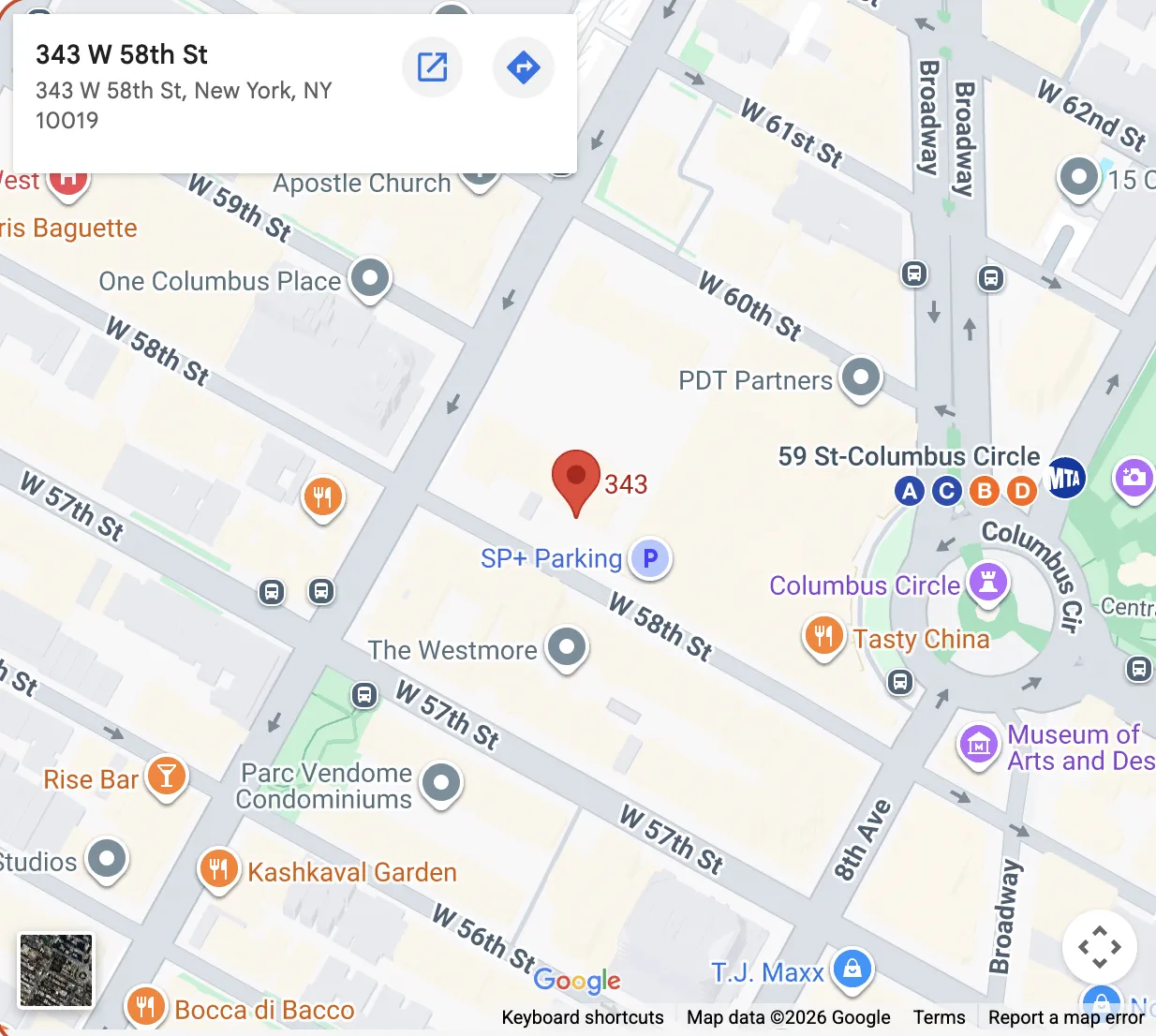
343 W 58th St #11B
New York, NY 10019
Phone: (212) 477-5342
Email: info@campuscarecollective.com
Website: campuscarecollective.com